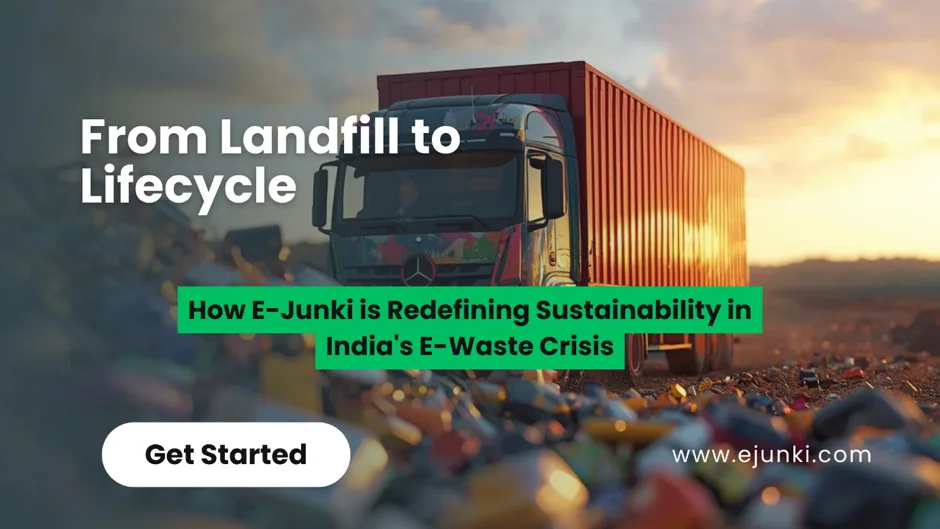
India’s electronic waste landscape presents a paradox of opportunity and urgency. Generating approximately 2 million tonnes of e-waste annually, with only 16% formally recycled, the nation faces a critical sustainability challenge. Yet within this crisis lies an extraordinary chance to transform industrial practice—and E-Junki stands at the forefront of this transformation.
The Core Sustainability Challenge
The e-waste management sector grapples with formidable obstacles. Only 22-25% of global e-waste reaches formal recycling channels, while the remaining 75% leaches toxic heavy metals and hazardous substances into soil and groundwater systems. Modern electronics embed complexity, incorporating up to 350,000 chemicals—many insufficiently assessed for environmental safety. The informal recycling sector, which dominates in developing regions, exposes workers to lethal toxins while undermining material recovery economics. Beyond environmental degradation, this creates a socioeconomic quandary: recycling remains costlier than landfilling in most markets.
How E-Junki is Conquering These Challenges
E-Junki addresses these systemic challenges through scientifically rigorous disposal protocols adhering to government-regulated standards. Operating under the Extended Producer Responsibility (EPR) framework, the company bridges the gap between ambition and infrastructure—enabling formal collection networks that informal systems cannot provide. This approach recognizes a fundamental principle: sustainability requires both environmental responsibility and economic viability.
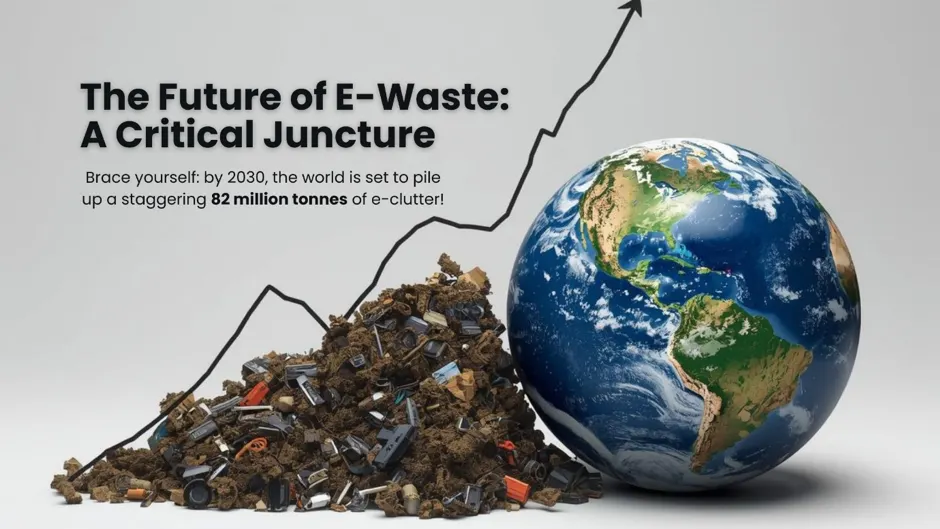
The Future of E-Waste: A Critical Juncture
The future trajectory is unambiguous. Global e-waste is projected to reach 82 million tonnes by 2030, driven by technological obsolescence and AI adoption. However, the International E-Waste Monitor projects recycling rates declining to 20% without intervention. This inverse relationship—rising waste, declining recovery—makes 2025 a pivotal juncture.
E-Junki’s model exemplifies the necessary paradigm shift: transforming e-waste from disposal liability into resource asset. By scaling formal recycling infrastructure and promoting consumer participation, the company embodies the circular economy principles required for India’s sustainable future. In a sector where most organizations choose between profit and planet, E-Junki demonstrates these objectives are not merely compatible—they are inseparable.